SWEETNESS LITERACY
A practical wine sweetness chart
Field notes for adults who want clearer questions, current sources and fewer unsupported conclusions.
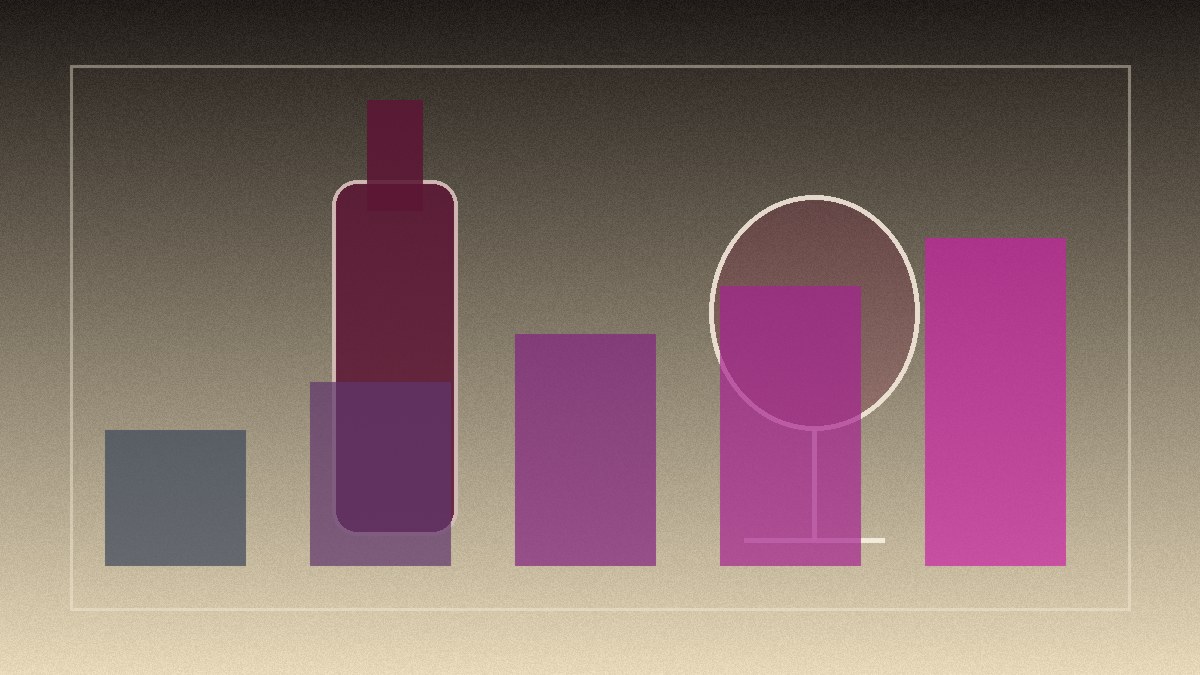
A chart is a map, not a verdict
This guide records residual sugar, acidity, alcohol, serving temperature and the taster as separate context rather than a guaranteed sweetness result. It does not treat similar sugar values as proof of identical perceived sweetness. A useful chart therefore marks broad zones and tells the reader to check the exact wine rather than treating a style name as a guarantee.
From dry to sweet
Use five working bands: dry, nearly dry, off-dry, medium-sweet and sweet. These are reader labels, not replacements for a producer’s technical sheet or a legal category. The chart allows examples within one grape, region or style to occupy different working bands.
Common confusion
The chart does not equate fruit-forward language with sweetness. It does not treat vanilla-like oak language as evidence of sugar. It records alcohol warmth separately from sweetness. It keeps sparkling-wine dosage terms separate from the chart’s still-wine working labels.
How to use the chart
State a reference you know, then say whether you want less, similar or more sweetness. Pair that with acidity and body. If a bar offers a taste, use it to answer the current question rather than to prove expertise.
| Source ID | Role | Checked |
|---|---|---|
| S-TTB-LABEL | Bounded source role; current facts require a fresh read. | 2026-10-03 |
| S-NYS-SLA-QUERY | Bounded source role; current facts require a fresh read. | 2026-10-03 |
| S-NYC-INSPECTIONS | Bounded source role; current facts require a fresh read. | 2026-10-03 |